Osman Chapter 168 Marriage Alliances and Political Consolidation
Introduction
The early expansion of the Ottoman Empire was shaped not only by territorial growth but also by the strategic use of alliances, internal cohesion, and adaptive leadership. Among these factors, marriage alliances and social integration played a crucial role in strengthening political authority and ensuring long-term stability.
During the formative period under Osman I, the consolidation of power required more than military capability. It demanded the ability to navigate internal tensions, respond to external pressures, and maintain unity within an increasingly complex social structure.
This article explores a significant phase in early Ottoman development, focusing on the intersection of alliance-building, political rivalry, internal challenges, and external influence within the frontier environment of Anatolia.
Historical Background
In the late 13th and early 14th centuries, Anatolia was characterized by fragmentation following the decline of the Seljuk Sultanate. Numerous Turkish beyliks emerged, each competing for influence, territory, and legitimacy. These political entities operated within a frontier system where flexibility, mobility, and strategic adaptation were essential.
The Byzantine Empire remained an influential force in the region, particularly along the western frontier. Its strategies often extended beyond direct confrontation, incorporating indirect influence, localized alliances, and efforts to disrupt the cohesion of emerging powers.
Within this environment, the Ottomans developed a model of governance that combined tribal traditions with evolving administrative structures. Social events such as marriages were not merely cultural practices but also political tools that reinforced alliances and strengthened internal unity.
Key Developments and Analysis
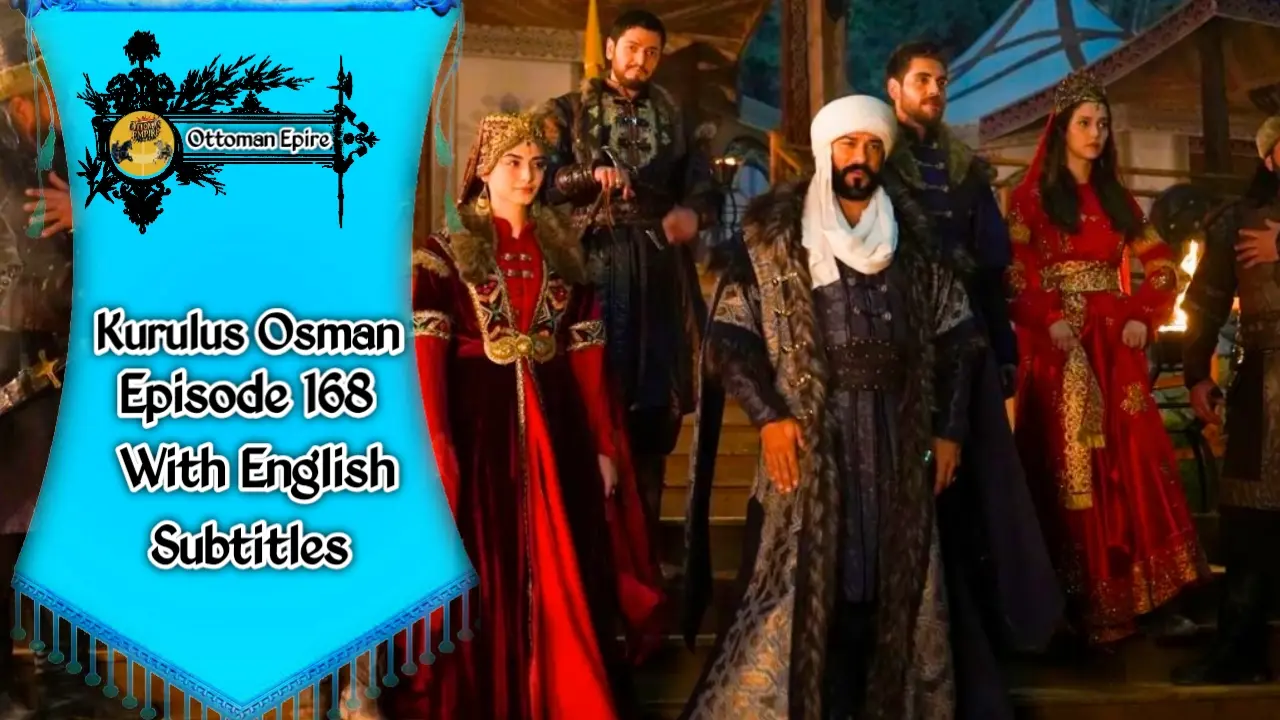
One of the defining aspects of early Ottoman consolidation was the use of marriage alliances as instruments of political stability. The union between key figures within the ruling structure symbolized not only personal relationships but also broader integration between different social and cultural groups.
Such alliances helped bridge divides, particularly between communities of different backgrounds. In frontier societies, where identity and loyalty were constantly evolving, these relationships contributed to the formation of a more cohesive social framework.
At the same time, these developments were closely observed by rival powers. The strengthening of internal unity within the Ottoman structure often prompted reactions from competing leaders, who sought to counterbalance this growing influence through strategic planning and collaboration.
Another significant development during this period was the emergence of localized unrest in key مناطق such as Söğüt. These disturbances, whether driven by internal dissatisfaction or external manipulation, represented a direct challenge to authority. Managing such situations required a careful balance between maintaining order and preserving public trust.
Leadership and Strategy
The leadership of Osman I during this phase demonstrates a multi-dimensional approach to governance. Rather than relying solely on direct powers, leadership was exercised through a combination of symbolic authority, strategic planning, and social integration.
A key aspect of this strategy was the ability to manage multiple challenges simultaneously. The presence of internal disturbances alongside external pressures required a flexible and responsive leadership style. Decisions had to be made not only with immediate outcomes in mind but also with long-term stability as a priority.
Marriage alliances, in this context, served as a stabilizing force. They reinforced internal relationships and created networks of loyalty that extended beyond immediate family structures. At the same time, leadership required addressing tensions that could arise from such alliances, particularly when they intersected with existing rivalries.
“Effective leadership in frontier societies depended on the ability to integrate social structures with political strategy.”
External Influences
The role of external actors remained a constant factor in shaping the dynamics of early Ottoman expansion. The Byzantine Empire, in particular, employed strategies aimed at limiting the consolidation of emerging powers.
These strategies often included:
- Encouraging unrest in strategically important regions
- Forming indirect alliances with rival leaders
- Applying pressure through coordinated regional actions
Figures such as Commander Lucas can be understood as representative of this broader approach. Rather than relying exclusively on direct engagement, such actors focused on creating conditions that would challenge internal stability.
At the same time, cooperation between rival leaders, such as Karesi Bey, illustrates the pragmatic nature of frontier politics. Alliances were often formed based on shared interests rather than long-term trust, reflecting the fluid and dynamic nature of the political environment.
Internal Dynamics and Challenges
While external pressures were significant, internal dynamics played an equally important role in shaping outcomes. The process of state formation required maintaining cohesion among diverse groups, each with its own interests and perspectives.
Tensions within the ruling structure, including those influenced by personal relationships, highlight the complexity of internal governance. Emotional factors, social expectations, and political considerations often intersected, creating situations that required careful management.
Additionally, the presence of competition among individuals seeking influence or recognition reflects a broader pattern within emerging political systems. Such rivalries, while potentially destabilizing, also contributed to the evolution of leadership structures.
The challenge for leadership was to ensure that these internal dynamics did not undermine overall stability. This required not only authority but also the ability to foster trust and maintain a sense of shared purpose.
Historical Context Note
It is important to note that many detailed accounts of specific events, personal relationships, and individual interactions associated with this period are influenced by modern dramatizations and narrative interpretations. While figures such as Osman I and the broader Political developments of early Ottoman history are well-documented, the precise details of certain events may not be fully supported by primary historical sources.
This article, therefore, focuses on broader historical themes—such as political consolidation, leadership strategy, and frontier dynamics—rather than treating dramatized elements as literal historical fact.
Key Takeaways
- Marriage alliances played a crucial role in strengthening political unity
- Leadership required balancing internal cohesion with external challenges
- Frontier politics were shaped by shifting alliances and pragmatic decisions
- External forces influenced regional dynamics through indirect strategies
- Internal relationships and rivalries impacted the development of authority
Frequently Asked Questions (FAQ)
Why were marriage alliances important in early Ottoman history?
They helped strengthen unity, build trust, and create long-term political stability within a diverse frontier society.
What challenges did Osman Bey face during this period?
He had to manage internal tensions, respond to external pressures, and maintain authority across a fragmented region.
How did external forces influence events?
The Byzantine Empire used indirect strategies such as alliances and localized pressure to shape regional dynamics.
Was internal unity easy to maintain?
No, maintaining cohesion required constant effort due to competing interests and evolving social structures.
Conclusion
The early development of the Ottoman Empire reflects a complex process in which leadership, strategy, and social integration were closely interconnected. Under Osman I, authority was gradually transformed from a localized tribal structure into a more organized political system.
This transformation was not defined by a single factor but by the interaction of multiple elements—marriage alliances, internal dynamics, external influences, and strategic decision-making. Together, these elements contributed to the emergence of a الدولة that would continue to expand and evolve in the centuries that followed.
Understanding this phase provides valuable insight into how early leadership decisions shaped the foundations of one of history’s most enduring political systems.