The Ottoman Empire was one of history’s longest-lasting and most influential states, shaping the political, military, and cultural landscape of Europe, Asia, and the Middle East for more than six centuries. Its history extends far beyond conquest and expansion, reflecting centuries of leadership, statecraft, diplomacy, and cultural achievement.
This website explores the history of the Ottoman Empire through carefully researched historical biographies, major battles, significant events, political developments, and the dynasties that shaped its rise and legacy. It also places the Ottoman Empire within the broader history of the Islamic world, providing historical context that helps explain the people, states, and events that influenced its development.
Every article is written with a commitment to historical accuracy, reliable research, and clear historical context. The goal is to provide a trusted educational resource for readers, students, researchers, and history enthusiasts seeking accurate and accessible information about the Ottoman Empire and the wider Islamic world.
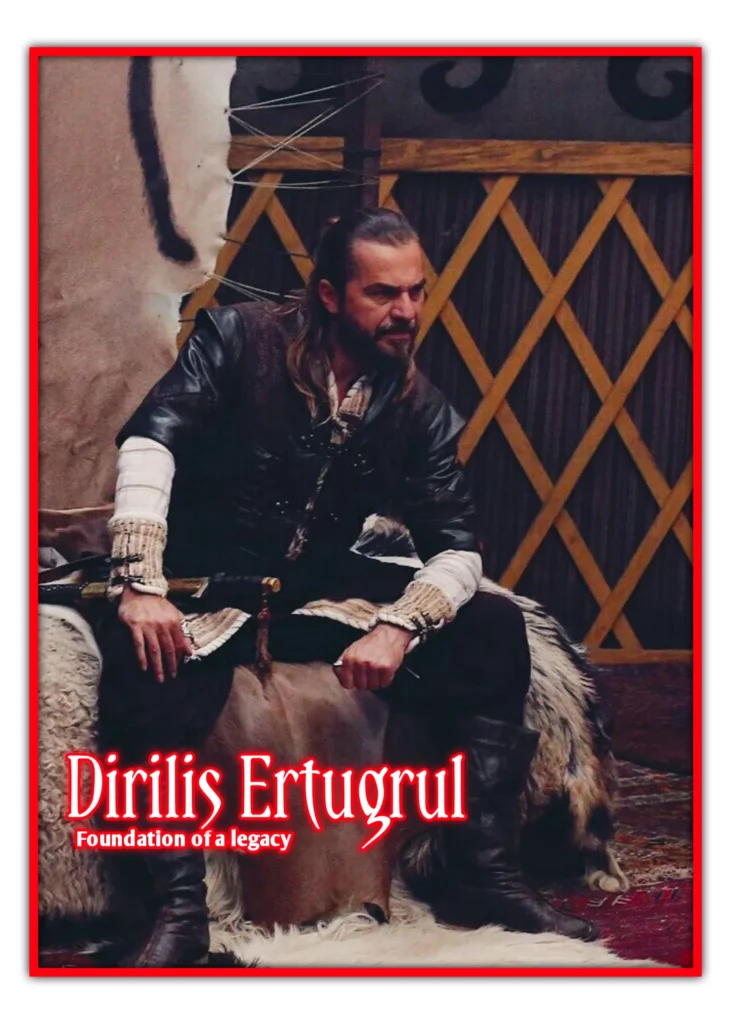
Long before the Ottoman Empire was founded, Ertuğrul Gazi guided the Kayı tribe through years of conflict and uncertainty. Read about his journey the challenges he faced, and the legacy he left to the next generation. Read More
.

Founder of the Ottoman Empire, Osman I transformed a frontier principality into the foundation of one of history’s greatest empires. Explore his life, leadership, campaigns, and the events that marked the beginning of Ottoman history. Read More

Orhan Gazi carried forward the work of Osman I and turned the early Ottoman state into a stronger and more organized power. See how his rule brought new lands, stronger government, and lasting stability to the growing empire. Read More

Sultan Mehmed II changed world history by conquering Constantinople and bringing an end to the Byzantine Empire. Discover how his vision, military skill, and achievements opened a new chapter in Ottoman history. Read More

During the age of the Crusades, Salahuddin Ayyubi emerged as the leader who reunited Muslim forces and reclaimed Jerusalem. His victories, leadership, and commitment to justice made him one of the most respected rulers of the medieval world. Read More

Alp Arslan led the Seljuk Empire during a time of rapid expansion and secured one of history’s most important victories at the Battle of Manzikert. His reign opened the way for lasting Seljuk influence across Anatolia and changed the course of medieval history. Read More
History is not always shaped in open moments. Often, it develops quietly, through decisions, pressure, and the choices people make over time. This platform focuses on those layers, offering a clearer view of how leadership and direction shape what follows.
Orhan Gazi: Holding Power After the Beginning
Orhan steps into leadership at a time when everything looks established on the surface, but underneath, nothing is truly settled. The early phase of building has passed, yet what remains is far more demanding, the responsibility of keeping it all from falling apart. The state is growing, but growth brings its own pressure. Stability does not come automatically, and every decision begins to carry long-term weight. There is less room for quick moves and more need for patience, balance, and careful judgment.
This period is not driven by constant expansion, but by the need to strengthen what already exists. Internal challenges begin to matter just as much as external ones, and even small shifts can slowly change the direction if they are not handled in time.
Orhan’s leadership reflects a quieter kind of strength, where control is maintained rather than forced, and progress depends on steady decisions rather than sudden action. It is in this phase that the real test begins, not in gaining power, but in making sure it lasts.
Mehmed II: The Resolve to Conquer Constantinople
Mehmed’s journey is closely tied to a single goal that stands above everything else, the conquest of Constantinople. From an early stage, this was not just an ambition, but a direction that shaped how he prepared, planned, and moved forward.
The challenge was not small. Constantinople was known for its strong defenses and long history, making it a target that many had failed to overcome. This made the task more demanding, requiring patience, strategy, and careful execution rather than rushed action.
Mehmed approached this goal with focus, building his strength step by step and waiting for the right moment. Every decision was connected to a larger plan, where preparation mattered as much as action. Through this, his path reflects how determination, planning, and belief can turn a difficult goal into reality, shaping a moment that would leave a lasting mark on history.
Osman Gazi: The Foundation of the Ottoman State
Osman Gazi’s journey begins at a time when Anatolia is divided, uncertain, and full of shifting power. There is no established empire to rely on, only small tribes, constant conflict, and the need to survive in a difficult environment. From these conditions, Osman slowly builds what will later become the Ottoman state, starting with limited resources but a clear sense of direction.
His early leadership is shaped by both struggle and vision. Challenges come from many sides, rival groups, external threats, and internal pressure, but each step forward is taken with patience and determination. Instead of rushing for quick gains, Osman focuses on steady growth, forming alliances, strengthening his position, and creating a foundation that can hold over time.
What makes this phase important is not just expansion, but the way it is carried out. Decisions are guided by long-term thinking, where belief, discipline, and leadership play a central role. Every small victory adds to a larger structure, slowly turning a local effort into something more stable and organized.
As his influence grows, the idea of a state begins to take shape, built not only on power but on direction and purpose. Osman’s leadership shows how strong foundations are created through consistency, careful planning, and the ability to move forward even when the path is uncertain., This is where the story truly begins, the formation of the Ottoman state under Osman Gazi, where early struggles, leadership decisions, and gradual expansion come together to shape a lasting legacy.
Salahuddin: Leadership with Patience and Purpose
Salahuddin’s journey reflects a time where leadership is shaped by patience, discipline, and a clear sense of purpose. The challenges around him are not simple, and situations rarely stay the same for long, which makes every step important and every decision meaningful.
In this phase, moving forward is not just about strength, but about maintaining balance while dealing with pressure from different sides. Internal issues, outside challenges, and changing conditions all come together, making it necessary to think carefully before taking action. His approach shows a steady way of handling responsibility, where decisions are made with calm thinking rather than haste. There are moments where waiting becomes as important as acting, and understanding the right time makes all the difference.
Through this, his leadership highlights how belief, patience, and control work together over time. It is not just about facing challenges, but about staying consistent and keeping direction clear even when situations become uncertain.
Alparslan: Leadership in a Time of Constant Change
Alparslan’s period reflects a time when conditions are always shifting, and stability is not easy to maintain. Leadership in such an environment requires clear thinking, awareness, and the ability to act at the right moment. Situations can change quickly, which makes every decision important and often difficult.
The challenges he faces come from multiple sides, including political pressure, rival forces, and the need to respond without delay. There is very little room for hesitation, as even a small mistake can affect the overall direction. Because of this, decisions must be made with focus, understanding, and careful judgment.
His approach shows how planning and timing play a key role in handling difficult situations. Instead of reacting without thought, the focus remains on reading the situation properly and choosing the right step. This helps in maintaining control even when the conditions are uncertain. Through this, Alparslan’s journey highlights how leadership, strategy, and discipline work together over time. It shows that in a fast-changing environment, progress depends not just on strength, but on the ability to stay aware, make steady decisions, and keep moving in the right direction.
Ertugrul: The Roots of Strength and Direction
Long before things begin to take shape, there is a phase where everything feels uncertain, and progress depends on holding firm rather than moving fast. Ertugrul’s journey belongs to that time, where survival itself is a challenge and every step forward requires courage and trust.
The world around him is not stable. Tribes face pressure, alliances are fragile, and dangers often come without warning. In such conditions, strength alone is not enough. What matters more is the ability to stay united, make careful choices, and keep moving even when the path is not clear. His role is not just about leading in difficult times, but about setting a direction that others can follow. This includes dealing with internal struggles, building trust, and making decisions that protect both people and purpose.
Through this, his journey highlights how strong foundations are created before any real stability exists. It shows that leadership begins with patience, belief, and the effort to stand firm when everything else feels uncertain.
Understanding the Journey
Each path above reflects a different phase, shaped by its own challenges, direction, and turning points. While the situations may change, the focus remains on how decisions, patience, and timing influence what comes next. These journeys are connected through the idea of growth over time, where every phase builds on what came before it. From uncertain beginnings to moments of control and purpose, each section offers a step forward in understanding the bigger picture. You can explore any section to follow the chapters in order or move directly to a point of interest, depending on how you want to experience the journey.