Kurulus Osman Season 6 Episode 169 Return of Sofia

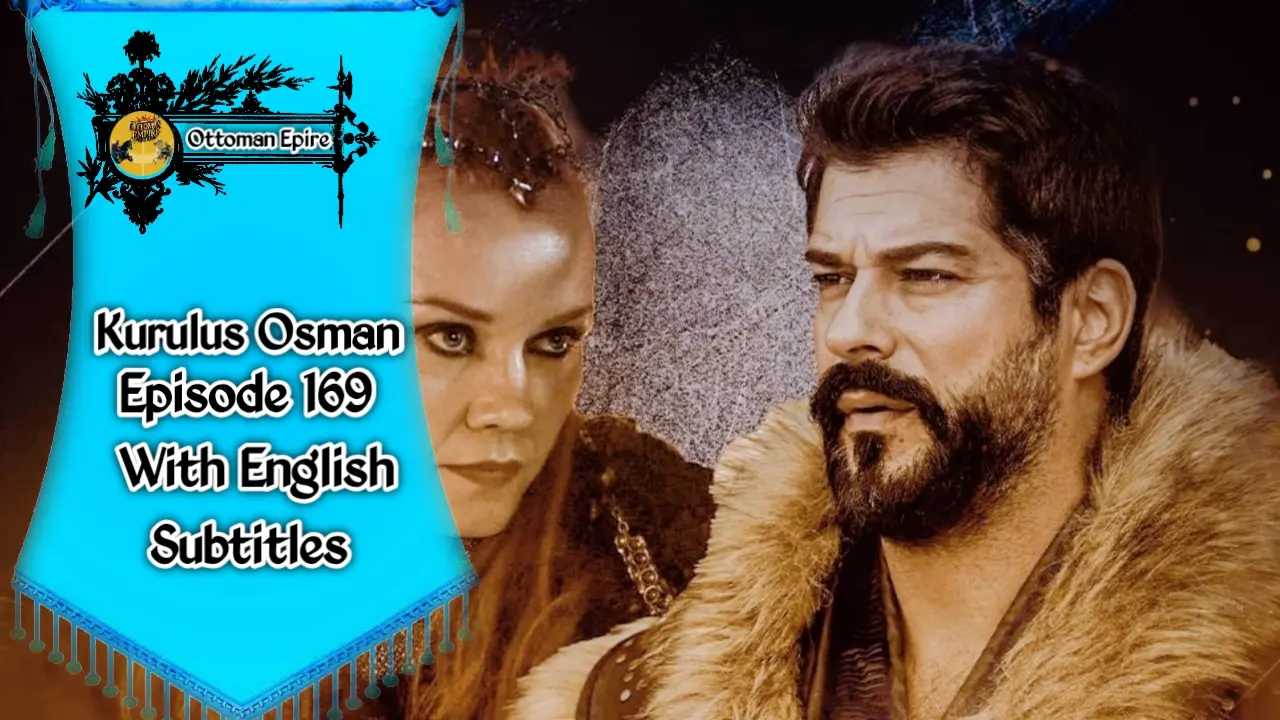
Kurulus Osman Season 6 Episode 169

The Rising Storm Before the Great Clash

Power, Loyalty, and the Return of Old Shadows

Kuruluş Osman Season 6 Episode 169 stands out as one of the most politically charged and emotionally heavy chapters of the season. The episode doesn’t simply move the story forward—it expands the political world around Osman Bey, revealing how alliances shift, rivalries evolve, and how the echoes of an old era reappear to challenge the emerging Ottoman identity. This episode builds tension slowly and powerfully, showing how every decision Osman Bey makes leaves a ripple across the frontier lands of Anatolia. As the pressure rises from external enemies and internal unrest, the narrative creates a world where every choice carries weight, every alliance hides risk, and every enemy returns with a sharper blade. Episode 169 is not just an episode—it is the calm before a storm that will reshape the future battles of Osman Bey.

Osman Bey’s Gift to Karesi Bey, An Alliance Wrapped in Hidden Motives

Osman Bey’s bold decision to gift Karadin Fortress to Karesi Bey creates a wave of shock within the Kayı ranks, opening the episode with political tension. Osman’s gesture appears generous on the surface, but within the deeper political structure of the frontier, such a move is never simple. Osman Bey has learned through years of conflict that the most powerful alliances are not built with swords, but with obligations. When he gives away a fortress, he is not losing power—he is binding Karesi Bey into a network of influence. The beylīk system of the era depended heavily on symbolic gestures that strengthened political ties and forced allies to maintain loyalty through honor and debt. Osman Bey knows exactly what he is doing: gifting Karadin Fortress is not an act of weakness, but a measured step to keep Karesi Bey close yet controlled.

Kurulus Osman Season 6 Episode 169

Inside the tribe, the reactions are mixed and layered. Some beyler believe Osman should have held onto the fortress, especially with growing threats pressing the borders. Others understand that he is planting the seeds of long-term influence. Karesi Bey, on the other hand, accepts the gift with a respectful face, but behind his eyes remains the ambition of a man who wants more than what he has. Although Osman and Karesi are not in an official alliance, Osman proposes trade—a move that opens new economic routes but also gives Karesi the chance to expand his influence. The cultural strategy here mirrors historical Turkic diplomacy: reward an ally, create obligation, and ensure their loyalty through social and political pressure rather than open force.

Yet the biggest question remains unspoken: What is Karesi Bey’s hidden motive? The episode suggests layers of ambition beneath the surface. Karesi wants recognition, prestige, and influence. By accepting the fortress, he gains political weight, but he also becomes part of Osman Bey’s larger plan—a plan that subtly restricts Karesi from acting against Osman while still allowing him enough freedom to feel important. This rich political interplay adds depth and makes the episode feel grounded in real medieval power dynamics.

The Rum Rebellion, Osman Bey Hunts the Instigator

As political tensions grow on one front, Söğüt begins to crack from within. The Rum rebellion spreads quickly through the marketplace, turning a peaceful town into a battleground. The rebellion is not just a spontaneous riot—it is a calculated move orchestrated by Arcadeus, a figure skilled in exploiting fear and stirring chaos. Osman Bey’s leadership is tested once again, and he responds not with hesitation but with decisive strength. His philosophy is simple yet powerful: the people’s peace is sacred, and any hand that disrupts it must be cut at the root.

Osman Bey prepares a strategic plan to lure Arcadeus into the open. This part of the episode demonstrates the sharp military instincts that have built Osman’s reputation on the frontier. Instead of storming blindly into the rebellion, he observes, analyzes, and then strikes with precision. Historically, frontier leaders needed to balance diplomacy with force, and Osman’s approach reflects the real foundations of early Ottoman governance—swift justice, firm authority, and an unwavering commitment to protecting the communities under his care. The rebellion becomes a symbolic battlefield representing the struggle between order and chaos, and Osman stands firmly as the only force capable of restoring balance.

The Return of Sofia, A Ghost from the Past Rises Again

One of the most dramatic moments in Episode 169 is the shocking return of Sofia, one of Osman Bey’s earliest and most iconic enemies. Her reappearance is not just surprising—it reopens an entire chapter of Osman’s past. Sofia symbolizes the old era of bloodshed, Crusader conflict, and personal hatred. She is not driven by politics, not by power, but by pure vengeance. Her hatred for Osman has survived years of absence, and now she returns with an even sharper desire: to destroy everything associated with him.

Sofia’s alliance with Lucas turns the situation even darker. Lucas provides disciplined military strength and experience, while Sofia offers ruthless ambition and ideological fury. Together, they form a threat far more dangerous than either could pose alone. Their goal is not merely to kill Osman—they aim to erase his legacy, his tribe, his future. Thematically, Sofia’s return serves as a reminder that the past is never truly buried; it returns to test the strength of the present. Her character embodies the idea that every victory Osman has achieved still carries unresolved consequences.

Baysungur’s Blood, Loyalty Tested to the Edge of Death

The tension reaches emotional depth when Sofia attacks Baysungur, leaving him gravely wounded. Baysungur, bleeding heavily but driven by unbreakable devotion, struggles to reach Osman Bey to deliver the warning. The entire scene becomes a tribute to the loyalty of the Alps—a loyalty that forms the backbone of Osman’s leadership. Baysungur’s suffering is more than physical; it reflects the cost of standing beside a leader destined for greatness.

The audience is left in suspense, unsure whether Baysungur will survive. His survival would symbolize endurance and loyalty rewarded, while his death would ignite a deeper, more personal war between Osman and Sofia. The emotional weight of this moment transforms the episode from political drama into a deeply personal story of brotherhood, sacrifice, and the emotional burdens carried by warriors of the frontier.

Bala Hatun vs Begüm Hatun, The Storm Within the Tribe

While external enemies gather strength, internal tensions begin tearing at the fabric of the Kayı Obası. The coldness between Gonca and Holofira spreads into the elder women of the tribe, pulling Hazal and Begüm Hatun into a competition that threatens unity. In tribal culture, the harmony of the women shapes the harmony of the entire tribe—so this conflict is far more dangerous than it appears.

Bala Hatun stands as the stabilizing force, approaching the issue with wisdom and dignity. She warns the women to maintain unity, reminding them that personal grievances must never outweigh the strength of the tribe. But Begüm Hatun is no longer subtle—her frustrations and ambitions flare into open defiance. The clash between Bala and Begüm is symbolic of a deeper struggle: tradition versus ambition, stability versus manipulation, unity versus division. This internal tension prepares the stage for larger conflicts in future episodes.

Arcadius’ Rebellion and the Fragile Balance of Söğüt

The uprising in Söğüt carries a weight far greater than a simple civilian revolt—it reflects the deep-rooted political fractures that have been quietly growing under the surface. Episode 169 shows how the Rum population, manipulated by foreign forces, becomes an unwilling participant in a much larger game aimed at destabilizing Osman Bey’s authority. The brilliance of this episode lies in how it transforms a local disturbance into a symbolic battle for justice, order, and leadership.

Osman Bey’s response to the unrest is crafted with strategic foresight. Instead of reacting impulsively, he carefully studies the source of the chaos. He knows revolts rarely begin on their own—they are almost always ignited by a hidden hand. In this case, that hand belongs to the cunning Arcadeus, a figure whose political ambitions and covert alliances make him a dangerous adversary.

The episode highlights how Arcadeus attempts to weaponize fear among the Rum people, hoping to portray Osman Bey as a tyrant. His aim is clear: weaken Osman’s hold over Söğüt, disrupt trade routes, and make the region vulnerable to external forces—particularly Lucas and Sofia, who are waiting like vultures for an opportunity.

But Osman Bey refuses to let chaos dictate his decisions. His methodical approach shows viewers why he is destined to become a founding leader. Instead of punishing the innocent, he seeks out the root of the injustice. The subtle dialogues in this segment underline the message that leadership is not about force—it is about fairness, discipline, and loyalty to one’s people.

Osman Bey’s Tactical Plan to Capture Arcadeus

Osman Bey’s plan to trap Arcadeus stands out as one of the strongest tactical sequences in Episode 169. He understands that brute strength will not work here; this enemy thrives in shadows, misinformation, and manipulation. Thus, Osman Bey uses intelligence over aggression, setting up a maneuver that forces Arcadeus into the open.

The episode emphasizes how Osman:

  • Identifies the weak points in Arcadeus’ network
  • Uses misinformation to push him out of hiding
  • Positions Alps strategically around Söğüt
  • Creates a false sense of victory for the rebel leader
  • Delivers justice at the right moment

“A ruler does not draw his sword without purpose; justice is the true blade that defines him.”

This moment is visually and narratively powerful. It reinforces the theme that justice is central to Osman Bey’s vision. Once Arcadeus is cornered, the rebellion collapses instantly. Peace can finally begin to return to Söğüt—but the damage has already set the stage for greater dangers.

The Return of Sofia, A Shadow From the Past

The biggest shock of Episode 169 is undoubtedly the return of Sofia. Her arrival is not just a plot twist, but a dramatic shift in the power dynamics of the entire season.

Sofia is not motivated merely by vengeance—she represents the ideology of destruction itself. Her hatred for Osman Bey is not emotional alone; it is political, cultural, and symbolic. She cannot accept the growth of the Kayı principality, the unity among Muslim tribes, or the increasing stability of Söğüt.

Her alliance with Lucas is a deadly combination:

  • Lucas brings military aggression.
  • Sofia brings strategy, vengeance, and psychological warfare.

Their partnership introduces a new antagonistic force that is far more dangerous than individual enemies. Sofia sees herself not merely as a rival to Osman, but as the only figure capable of stopping the rise of the Ottoman future.

This episode frames her return with powerful symbolism—dark clothing, dramatic lighting, and intense declarations. Her line, “Everything he built, I will burn,” is not just a threat—it foreshadows upcoming destruction, heartbreak, and war.

Baysungur’s Near-Death Moment and Its Emotional Weight

The attack on Baysungur is one of the most emotionally charged moments of Episode 169. Sofia’s strike is not random; it is a carefully calculated move designed to unsettle Osman Bey’s core. Baysungur is not just an Alp—he is a brother, a protector, and one of the most loyal warriors in Osman’s ranks.

As he collapses, bloodied and barely conscious, the scene speaks volumes:

  • Loyalty comes with sacrifice.
  • Leadership is burdened by personal loss.
  • The cost of war is always personal.

The moment Baysungur stumbles into Osman’s presence adds heartbreaking tension. Osman’s expression reflects a mix of fury, pain, and determination. This is not just another enemy attack—this is a direct challenge to Osman’s honor and leadership.

The episode subtly hints that Baysungur’s condition will affect Osman’s decisions going forward. It adds emotional depth and sets up future arcs involving vengeance, justice, and personal loyalty.

Bala Hatun and Begüm Hatun, A Cultural and Emotional Confrontation

The internal tensions in the Kayı Obası provide a strong contrast to the political wars outside. The conflict between Gonca Hatun and Holofira, intensified by Hazal and Begüm Hatun taking sides, showcases the intricate social dynamics of tribal life.

This storyline is not filler—it reflects:

  • The importance of unity among women in the tribe
  • The fragility of relationships during uncertain times
  • The cultural expectations placed on Hatuns
  • The symbolism of leadership within the household

Bala Hatun’s role becomes central here. As the chief Hatun, she is responsible not only for order but for moral guidance. Her stance is calm yet firm—she reminds the Hatuns that division within the tribe is as dangerous as enemies outside.

Begüm Hatun’s growing hostility, however, hints at deeper conflicts. Her ambition, pride, and emotional reactions foreshadow an inevitable clash with Bala Hatun—one that may impact the harmony of the oba.

This entire subplot reflects how internal strife often mirrors external threats, reinforcing one of the primary themes of the episode.

Themes and Symbolism of Episode 169

1. Leadership vs Chaos

Osman Bey’s actions symbolize the delicate art of leading through turmoil.

2. Revenge as a Driving Force

Sofia embodies vengeance, contrasting Osman’s justice-driven philosophy.

3. Unity and Division

The conflict among the Hatuns mirrors the political fragmentation in the region.

4. Loyalty and Sacrifice

Baysungur’s injury shows the personal cost of protecting a vision.

Table, Key Events and Their Impact

Major EventDescriptionImpact on Future Episodes
Osman gifts Karadin Castle to Karesi BeyPolitical move to balance powerCreates future alliance + strategic tensions
Arcadeus’ rebellionRum uprising manipulated by enemiesSets stage for larger conspiracies
Sofia returnsJoins Lucas for vengeanceNew main antagonist arc
Baysungur injuredSofia’s assassination attemptMotivates Osman’s retaliation
Bala–Begüm tensionInternal conflict in Kayı tribeForeshadows social instability

Predictions, What Episode 170 and Beyond May Bring

  • A direct confrontation between Osman and Sofia
  • Karesi Bey’s hidden ambitions emerging
  • Baysungur’s recovery leading to a vengeance storyline
  • Internal Hatun tensions escalating into political consequences
  • Lucas and Sofia creating a multi-front war against Osman

Key Takeaways

  • Episode 169 is one of the strongest narrative setups of Season 6.
  • Sofia’s return shifts the season into a darker, more intense direction.
  • Internal tensions are as dangerous as external threats.
  • Osman Bey’s justice-driven leadership remains the heart of the series.

FAQ

Why did Osman gift a castle to Karesi Bey?

To maintain balance, prevent Lucas from gaining control, and establish political leverage.

Is Sofia the main villain of Season 6 now?

Her return suggests she will be one of the primary antagonists moving forward.

Will Baysungur survive?

The series hints that he may survive, but his recovery will not be easy.

Why is there conflict among the Hatuns?

Cultural expectations, pride, unresolved jealousy, and political tensions fuel division.

What does the Söğüt rebellion symbolize?

The fragility of order when external enemies manipulate internal frustrations.

Conclusion

Episode 169 brilliantly sets the platform for a turbulent future where political intrigue, emotional tension, and personal vendettas collide. With Sofia’s return, the stakes have never been higher. Osman Bey stands at a crossroads—surrounded by enemies externally and challenged by tensions internally. This episode not only deepens character arcs but strengthens the narrative direction of Season 6, promising intense confrontations, emotional revelations, and monumental turning points in the episodes ahead.

  1. Kurulus Osman Season 6 Episode 173 Justice Will Be Served
  2. Kurulus Osman A Grand Return to Power
  3. Kurulus Osman Season 6 Episode 167 Osman Bey’s Sacred Oath
  4. Kurulus Osman Season 6 Episode 167 Osman Bey’s Sacred Oath
  5. Kurulus Osman Season 6 Episode 172 Bala Hatun in Mortal Danger

Leave a Comment