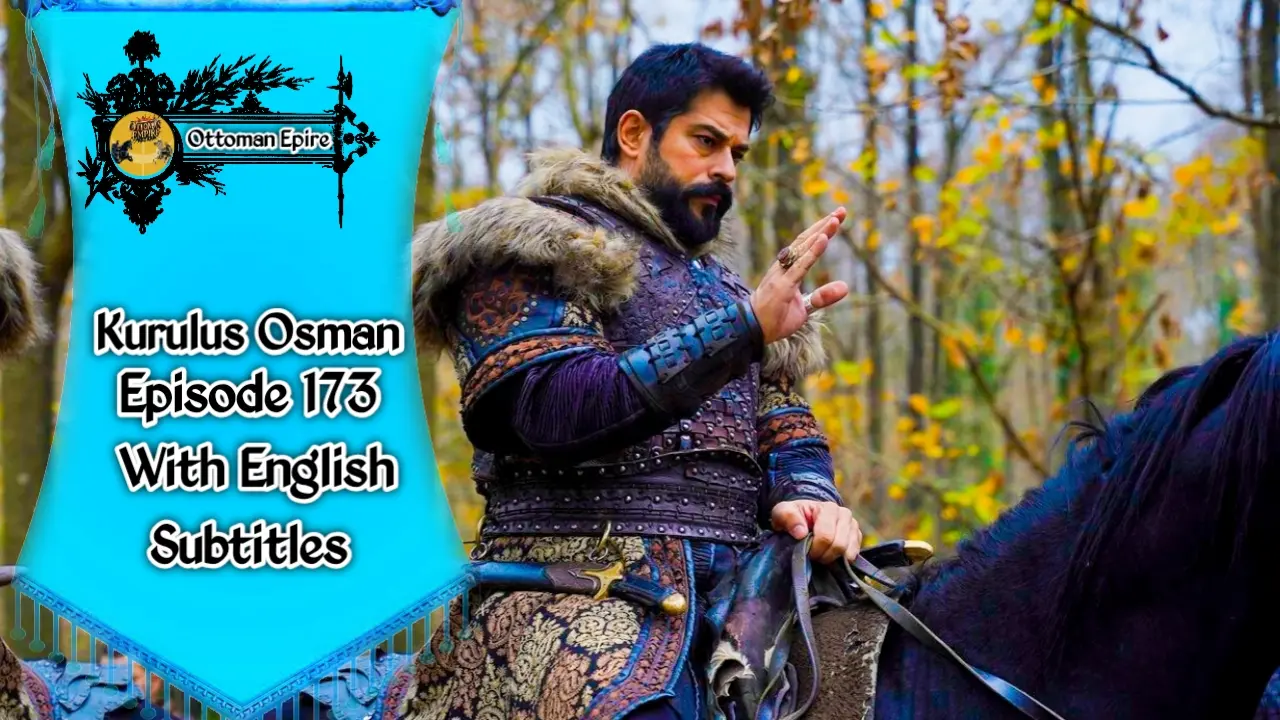
Kurulus Osman Season 6 Episode 173
Kurulus Osman Season 6 Episode 173
Bala Hatun’s Fate & The Clash of Allies
The 173rd episode of Kurulus Osman marks a turning point in the saga of the Kayı tribe. With betrayal, vengeance, and love intertwined, the drama intensifies as Osman Bey confronts enemies on multiple fronts. This episode delves deeply into the fate of Bala Hatun, the intricate plots of Sofia, Lucas, and Karesi Bey, and the emotional turbulence of the women in the Kayı Obası.
Bala Hatun’s Fate – The Heart of the Episode
The episode begins with a shocking scene: Sofia’s sword poised over Bala Hatun. The audience has waited with bated breath, wondering if the valiant woman will survive this encounter. Bala Hatun, a symbol of resilience and dignity in the Kayı tribe, faces what seems like an impossible situation. Her courage and strategic thinking in prior episodes have been highlighted, and now, her fate serves as a thematic climax, symbolizing the cost of loyalty and the brutality of revenge.
Character Analysis: Bala Hatun embodies the strength and resilience of Kayı women. Her ability to maintain composure under duress reflects the cultural expectations of women in leadership within Turkic tribes. Despite facing mortal danger, her decisions influence the morale of the Kayı tribe and the strategic choices of Osman Bey.
“A true warrior does not only wield a sword; she carries the spirit of her people.” – thematic insight into Bala Hatun’s character arc.
Sofia’s Diabolical Plan
Sofia returns with a vengeance, having waited years to strike a decisive blow against Osman Bey’s family. Her calculated cruelty — targeting Bala Hatun — is designed to destabilize the Kayı Obası emotionally and strategically. Sofia’s character represents the relentless adversary archetype, blending intelligence, ruthlessness, and personal vendetta.
Analysis: Historically, such figures mirror the recurring threat of rival clans or Byzantine agents in Anatolia, whose cunning often determined political outcomes. Sofia’s maneuvers are not just personal vendettas; they reflect historical themes of treachery and manipulation that beset early Turkic states.
Her plan to entrap the women of the Kayı tribe is both symbolic and strategic. It shows her understanding that the strength of the tribe lies not only in its warriors but also in its women. By threatening them, she indirectly threatens the unity and morale of Osman Bey’s forces.
Halime’s Conflict – The Torn Daughter
Sofia’s manipulation of Halime, who was abducted years earlier, adds another layer of intrigue. Raised to harbor animosity towards Osman Bey and his family, Halime embodies the tragic consequences of childhood indoctrination.
Historical Context: In many historical conflicts, children were often used as political pawns, a tactic not uncommon among the Byzantine and Seljuk adversaries of early Ottoman leaders. Halime’s character highlights the emotional complexity in dynastic politics and the human cost of power struggles.
Her interactions with Fatma and the other women demonstrate the tension between familial loyalty and ideological conditioning. The episode skillfully portrays how past trauma can influence present allegiances and decisions.
Karesi Bey’s Strategic Ambitions
Karesi Bey, sensing both opportunity and threat, acts with calculated precision. His marriage proposal to Begüm Hatun introduces political intrigue into the personal narrative. While ostensibly romantic, it serves as a strategic maneuver, aiming to extend his influence within the Kayı tribe.
Character Analysis: Karesi Bey is a blend of diplomacy and opportunism. Unlike Sofia’s overt aggression, Karesi’s power plays are subtle, reflecting a historical understanding of alliance-building in the Turkish Beyliks. This duality enhances the tension between personal desire and political necessity, a recurring theme in Kurulus Osman.
Osman Bey’s Leadership Tested
With enemies converging from all sides, Osman Bey faces a monumental challenge. Lucas and Sofia plot, Bala Hatun’s life hangs in the balance, and internal suspicions rise. This episode tests Osman Bey’s leadership, highlighting his ability to balance tactical genius with emotional intelligence.
Themes and Symbolism: The episode portrays Osman Bey as the embodiment of just leadership. His decisions, though fraught with peril, are guided by justice and strategic foresight. This mirrors historical accounts of early Ottoman leaders, who were respected both for martial skill and for their moral compass.
Gonca Hatun and Holofira – Women in Turmoil
Gonca and Holofira, caught in the crossfire, symbolize the emotional and social impact of war on women. Their fates remain uncertain, reflecting the constant tension in the Kayı Obası. The episode uses their storylines to explore themes of loyalty, trust, and survival under extreme conditions.
Cultural Explanation: In Turkic history, women often played crucial roles in maintaining morale, managing domestic affairs, and influencing political decisions. This narrative highlights the integral role of women in tribal dynamics beyond mere familial or romantic contexts.
Lucas and Sofia – The Twin Threat
The collaboration between Lucas and Sofia exemplifies the classic antagonist alliance. Lucas represents external political pressure, while Sofia channels personal vendetta. Together, they create a scenario where Osman Bey must anticipate moves on multiple fronts.
Deep Analysis: The dual threat embodies historical conflicts where internal and external adversaries collaborated to destabilize emerging powers. This storytelling device is historically inspired, reflecting Byzantine and regional tactics against growing Turkish Beyliks.
Betrayal and Intrigue – Who Can Be Trusted?
Lucas suspects an internal traitor, turning the narrative into a suspenseful whodunit. The potential betrayal of Gencer, Begüm, or Bayhan adds tension and emphasizes themes of loyalty versus self-interest.
Character Dynamics Table:
| Character | Allegiance | Potential Impact |
|---|---|---|
| Osman Bey | Kayı Obası | Stability, Leadership |
| Bala Hatun | Kayı Obası | Morale, Symbol of Courage |
| Sofia | Enemy | Disruption, Revenge |
| Lucas | Enemy | Strategic Pressure |
| Karesi Bey | Variable | Political Influence |
| Halime | Manipulated | Emotional Complexity |
| Gencer / Begüm / Bayhan | Uncertain | Internal Tension |
Themes, Symbolism, and Predictions
Themes: Loyalty, justice, sacrifice, and strategic foresight are central. Bala Hatun’s fate symbolizes the cost of leadership and the vulnerability of even the strongest warriors.
Symbolism:
- Sword → Justice and vengeance
- Hidden alliances → The complexity of political and personal relationships
- Women → The moral and emotional heart of the tribe
Predictions: The narrative foreshadows confrontations between Osman Bey and the internal traitors, further escalations with Sofia and Lucas, and potential realignments among allied Beys.
Conclusion, The Crucible of Leadership
Episode 173 masterfully intertwines action, emotion, and politics. Osman Bey’s leadership, Bala Hatun’s courage, and the scheming of Sofia, Lucas, and Karesi Bey create a complex web of intrigue. The Kayı Obası stands at a crossroads, with loyalty tested and alliances strained. Historically inspired, thematically rich, and emotionally gripping, this episode reinforces the principles of just leadership and strategic foresight.
Key Takeaways
- Bala Hatun symbolizes resilience and courage.
- Sofia’s vendetta highlights the danger of personal revenge in political contexts.
- Osman Bey demonstrates strategic brilliance under pressure.
- Karesi Bey’s maneuvers emphasize the interplay between politics and personal ambition.
- Women in the Kayı Obası are central to both morale and strategy.
FAQ
A1: The episode keeps viewers on edge; survival hinges on Osman Bey’s tactical interventions.
A2: Karesi Bey’s political maneuvering introduces tension and tests Osman Bey’s alliances.
A3: Halime’s manipulated loyalty adds complexity, reflecting historical themes of child political pawns.
A4: Yes, their alliance combines external military pressure with personal vendetta, creating a dual threat.
A5: Internal betrayal, tribal dynamics, and political marriages reflect historical Anatolian power struggles.
Table of Character Arcs
| Character | Episode 173 Role | Development |
|---|---|---|
| Osman Bey | Leader, Strategist | Tested on multiple fronts |
| Bala Hatun | Warrior, Symbol | Faces mortal danger |
| Sofia | Antagonist | Executes revenge plan |
| Lucas | Strategist | Creates external threat |
| Karesi Bey | Politician | Expands influence |
| Halime | Manipulated | Emotionally complex |
| Gencer | Potential Traitor | Adds suspense |
| Begüm & Bayhan | Loyal / Uncertain | Test of allegiance |
| Gonca & Holofira | Tribal Women | Navigate danger |
- Kurulus Orhan Season 1 Episode 2: A Son’s Trial, A Father’s Legacy
- Kurulus Osman Season 6 Episode 170 Osman Bey Marches Toward Akhisar
- Kurulus Osman Season 6 Episode 169 Return of Sofia
- Kurulus Osman Season 6 Episode 167 Osman Bey’s Sacred Oath
- Kurulus Osman Season 6 Episode 172 Bala Hatun in Mortal Danger