Kurulus Osman Season 6 Episode 170
The March Toward Akhisar and the Rising Storm
In this pivotal episode, alliances are tested, enemies plot in shadows, and Osman Bey’s vision for conquest begins to unfold.
Introduction – A Turning Point in the Anatolian Struggle
Episode 170 opens with Osman Bey standing at a critical crossroads. The Anatolian landscape is tense, fraught with political rivalries, spiritual stakes, and personal vendettas. Akhisar, a key fortress controlling trade and strategic influence, is the prize that Osman Bey has set his sights on. But his path is complicated by Karesi Bey’s tightening grip on Karadin and the re-emergence of Sofia, his most relentless enemy. The narrative of this episode is not just about military action; it explores the subtle interplay of strategy, loyalty, and cultural responsibility.
Osman Bey’s Campaign: Conquest and Vision
Osman Bey’s decision to march toward Akhisar is rooted in both tactical necessity and visionary foresight. Historically, control over a fortress like Akhisar meant economic leverage and territorial dominance, which were essential for the consolidation of any emerging Turkish beylik. Unlike impulsive warriors, Osman Bey’s approach reflects the wisdom inherited from Ertuğrul Bey: a calculated balance between force and diplomacy. His march is more than a military maneuver; it is a statement of justice, an assertion of leadership, and a harbinger of the Kayı tribe’s expanding influence. Every step toward Akhisar carries the weight of political foresight and moral responsibility.
Karesi Bey and the Grip of Martial Law
While Osman Bey advances, Karesi Bey strengthens his hold over Karadin through strict governance. Martial law is more than a political tool; it is a reflection of fear and the fragility of authority. Karesi Bey’s attempt to suppress unrest mirrors historical patterns where rulers, threatened by rising neighbors, often resorted to authoritarian control. His tactics, however, create tension within his own realm, setting the stage for internal instability. The episode effectively portrays this duality: Karesi Bey as a figure of power on the surface, yet vulnerable beneath his own rigid structures.
Bala Hatun: The Pillar of Internal Stability
Amid external conflicts, Bala Hatun plays a critical role in maintaining harmony within the tribe. The tensions between Gonca and Holofira, exacerbated by Begüm Hatun’s manipulations, threaten the cohesion necessary for successful campaigns. Bala Hatun’s diplomacy and emotional intelligence illustrate the often overlooked power of women in tribal governance. She navigates through rivalries, mediates disputes, and ensures that the internal unity of the Kayı tribe remains intact. Her actions underscore a recurring theme in Kurulus Osman: the survival and prosperity of the tribe depend as much on the wisdom of its women as on the bravery of its warriors.
Sofia’s Return: The Embodiment of Revenge
The episode takes a darker turn with the reappearance of Sofia. Her return is not merely a narrative twist; it symbolizes unresolved historical and personal vendettas. Sofia’s kidnapping of Fatma introduces a psychological and emotional dimension to the episode. Her actions are a calculated effort to destabilize Osman Bey by targeting both his family and the morale of his tribe. Within the cultural context, abducting a woman is an assault on honor and status, making Sofia’s vengeance deeply threatening. Her alliance with Lucas adds strategic complexity, demonstrating the interplay of personal grudges and political machinations.
Osman Bey vs. Lucas: The First Direct Confrontation
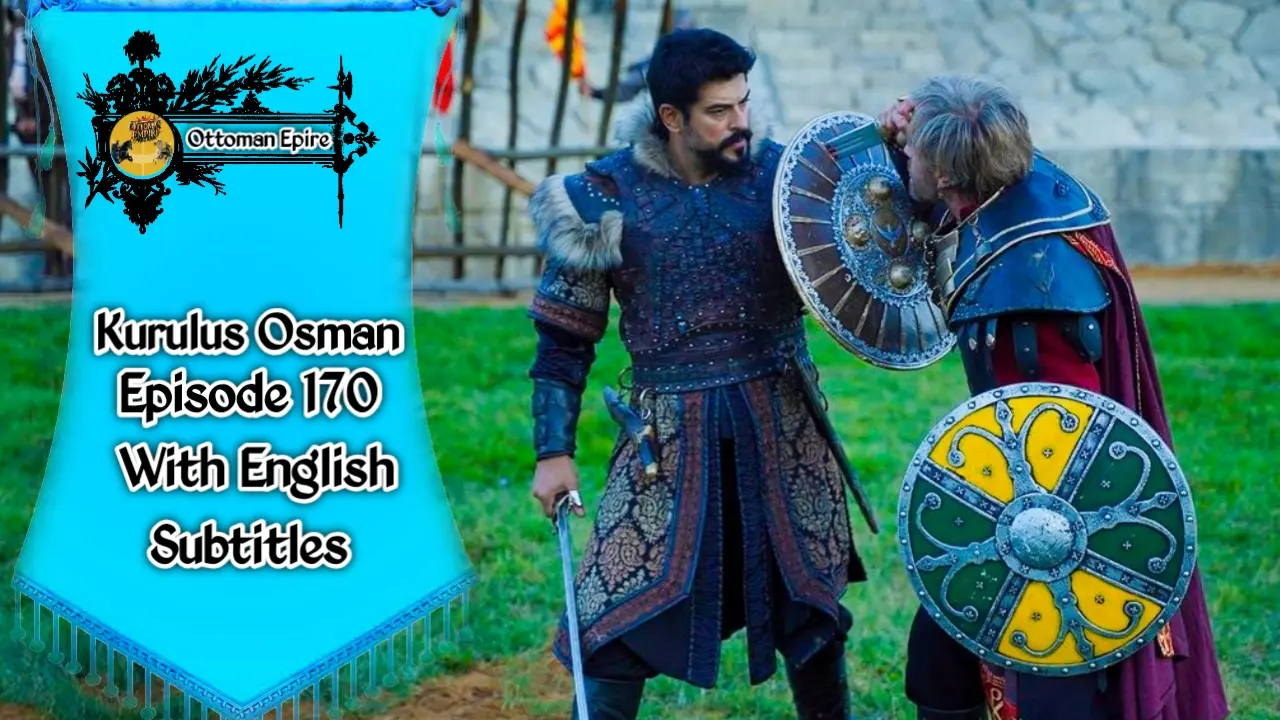
A crucial moment of the episode is the clash between Osman Bey and Lucas. Unlike previous indirect conflicts, this confrontation is immediate and personal. As steel meets steel, the duel becomes a narrative metaphor for the larger ideological and moral struggle between justice and oppression. At the climax, Osman Bey notices Fatma in the fortress, elevating the stakes from tactical to deeply personal. The confrontation serves as both a literal and symbolic battle: Lucas embodies brute force and betrayal, while Osman represents strategic intelligence and moral authority. The episode uses this duel to explore themes of leadership, courage, and the responsibility that accompanies power.
Themes and Symbolism
- Leadership vs. Tyranny: Osman’s visionary leadership contrasts with Karesi Bey’s authoritarianism, illustrating the episode’s central moral dichotomy.
- Family and Honor: The kidnapping of Fatma emphasizes the intersection of political ambition and familial responsibility.
- Revenge and Persistence: Sofia embodies the lingering shadows of past conflicts, showing how revenge transcends generations.
- Strategic Foresight: Osman’s campaign reflects the importance of planning, intelligence, and psychological insight in leadership.
Character Analysis
Osman Bey
A multi-dimensional leader balancing vision, strategy, and moral responsibility. His actions demonstrate foresight, empathy, and the weight of destiny.
Bala Hatun
The emotional and political anchor of the Kayı tribe. Her ability to mediate conflicts preserves internal stability, essential for the tribe’s survival and success.
Sofia
A complex antagonist whose personal vendetta escalates the stakes. She represents the intertwining of historical grievances and narrative tension.
Karesi Bey
A cautionary figure illustrating the dangers of authority rooted in fear rather than respect. His actions set up future conflicts and reveal vulnerabilities beneath power.
Lucas
A strategic threat and direct foil to Osman Bey, representing the external pressures and political challenges faced by emerging leadership.
Historical Context
- Akhisar and Karadin were historically strategic locations controlling trade and military routes.
- Martial law in medieval Anatolia often led to internal unrest, mirroring Karesi Bey’s authoritarian measures.
- The role of women in tribal politics was significant, particularly in diplomacy and conflict mediation.
Conclusion
Episode 170 is a narrative pivot: Osman Bey’s march to Akhisar symbolizes ambition, strategic intelligence, and moral leadership. The internal tensions within the Kayı tribe, the external threats posed by Lucas and Sofia, and the symbolic weight of Fatma’s abduction converge to create a compelling and layered story. This episode reinforces the recurring themes of leadership, justice, and the interplay of personal and political dynamics, setting the stage for future triumphs and challenges.
Key Takeaways
- Osman Bey demonstrates strategic brilliance in both military and political arenas.
- Bala Hatun exemplifies the influence of female leaders in tribal cohesion.
- Sofia’s return heightens emotional and narrative tension.
- Karesi Bey’s authoritarianism highlights vulnerabilities in seemingly strong leadership.
- The Osman–Lucas confrontation is both literal and symbolic, a foreshadowing of epic future conflicts.
FAQ
A: It is a strategic fortress that secures trade routes and serves as a launching point for Osman Bey’s wider territorial ambitions.
A: Through mediation, diplomacy, and balancing internal conflicts, ensuring unity in the Kayı tribe.
A: Revenge against Osman Bey and destabilizing the tribe by targeting his family.
A: Through direct confrontation and strategic manipulation, forcing Osman to balance personal and political priorities.
A: Medieval Anatolian tribal politics, strategic fortress control, and the significant roles of women in internal governance.
- Kurulus Osman Season 6 Episode 173 Justice Will Be Served
- Kurulus Osman Season 6 Episode 167 Osman Bey’s Sacred Oath
- Kurulus Osman Season 6 Episode 175 Mongols Return and Osman Bey’s Resolve
- Kurulus Osman Season 6 Episode 169 Return of Sofia
- Kurulus Osman Season 6 Episode 168 Osman Bey Between Two Fires